
The Technician Shortage Is a Myth. You're Just Looking in the Wrong Place.
March 17, 2026
The heavy equipment industry has spent years lamenting a crisis that may not exist the way we think it does — because we've been searching for technicians in only one place.
Ask anyone in heavy equipment — a fleet manager, a contractor, a dealer principal — and they'll recite the same tired talking point: there just aren't enough technicians. I’ve heard this since 2004 (I’m sure it’s been shouted since 1994!) It's become the industry's accepted gospel, repeated at trade shows, parroted in association newsletters, and handed to legislators as justification for workforce development funding.
I'm not buying it. Not entirely, anyway.
Yes, the pipeline of young people entering the trade needs serious attention. We have a real generational gap to close, and that conversation is worth having. But that's a long-term challenge — and it's a separate problem from the one most equipment owners are actually experiencing when they call their dealer and get told the next available technician is three weeks out.
We've confused a distribution problem for a supply problem.
The "technician shortage" narrative is built on a specific assumption that almost nobody examines: that technicians live at dealerships. That the measure of supply in this industry is the number of bodies on a dealer's payroll.
That assumption is wrong.
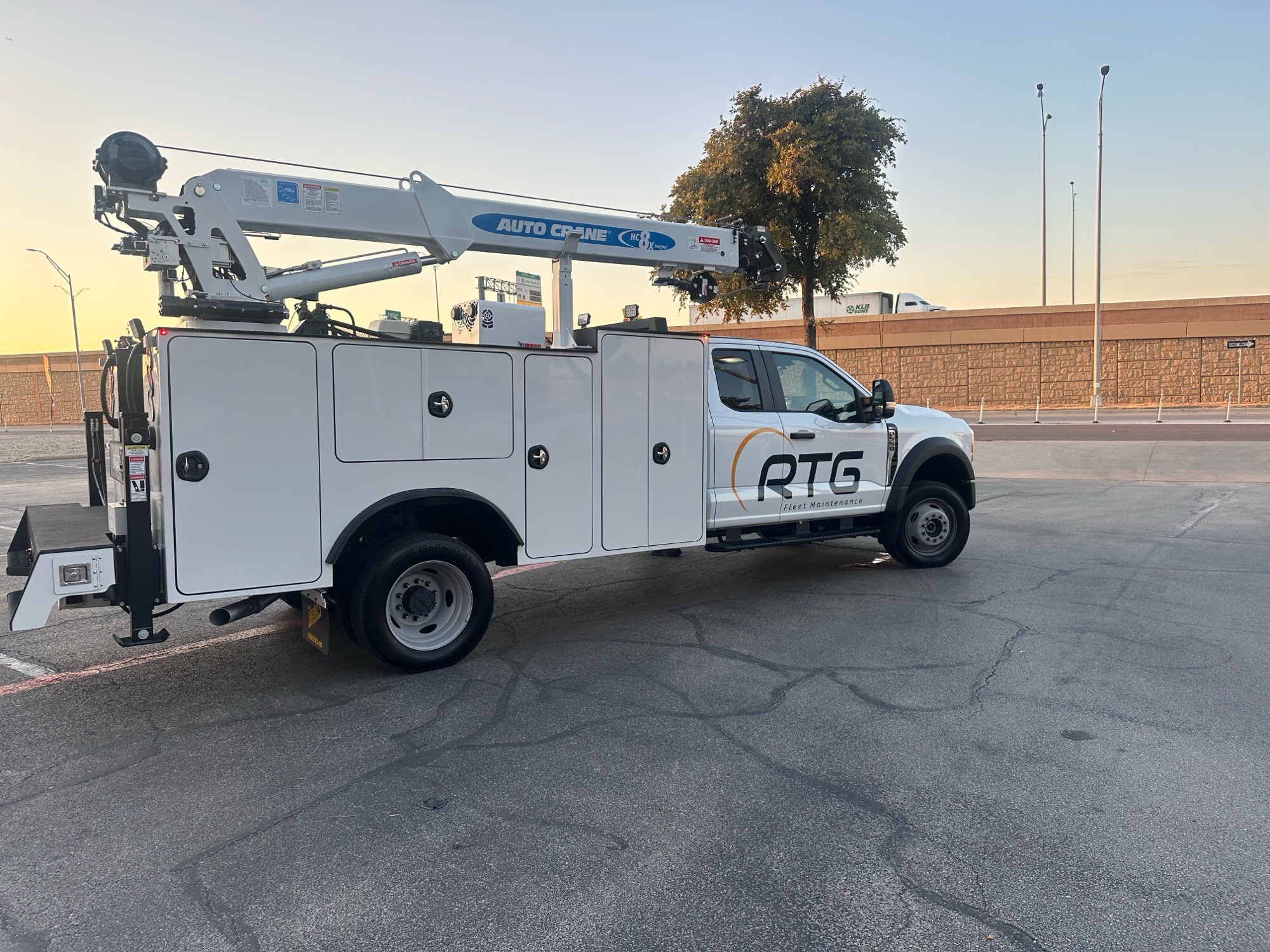
There is a massive, skilled, and chronically overlooked workforce operating outside the dealership model. Independent technicians — men and women who run their own shops or work mobile, often serving multiple customers across a region — represent a significant slice of the total technical labor force. For example, we have over 1,000+ techs today on the Heave platform, and are adding 100+ per month. Add to that the considerable number of in-house technicians employed directly by large contractors, municipalities, mining operations, and agricultural enterprises, and the picture changes dramatically.
These aren't second-tier mechanics "who couldn't get hired at a dealer." Many of them are precisely the opposite: experienced veterans who chose independence, or companies that chose to bring expertise in-house because they got tired of waiting in line. They know the iron. They carry diagnostic tools. They get the work done.
Where the workforce actually lives:
· Independent mobile technicians serving construction, ag, and municipal customers
· In-house fleet technicians at large contractors and mining/infrastructure operations
· Regional independent shops not affiliated with any OEM dealership
· Burned out dealer techs who went independent — taking decades of experience with them.
The dealer model has a monopoly on the conversation — not on the talent.
Dealers have historically controlled the narrative in this industry. They're the ones at the OEM roundtables and the association boards. Their staffing challenges — real as they are — get amplified into an industry-wide crisis. Meanwhile, the independent tech who shows up at a jobsite at 6 a.m. and has a machine running by noon barely registers in any official accounting of the labor pool.
This isn't a knock on dealers. I was approached by a trade school student’s father last week at Con Expo- he asked me what I’d recommend his son do after graduation? I replied, “go work for a respected OEM dealer and learn the business. Get the training. And then by the age of ~30, he can start his own company”. Conflating "hard to get a dealer technician" with "there are no technicians available" is a category error — and it's one that costs equipment owners real money.
The real long-term problem — and it's not the one you're being sold.
Here's where I'll give the shortage crowd some ground: the pipeline absolutely needs attention. Vocational training enrollment in diesel and heavy equipment programs has not kept pace with retirements. The older generation of technicians who built their knowledge base over 30-year careers is aging out, and there isn't a sufficient incoming class to replace them across any segment of the workforce — dealer or independent.
That is a legitimate, long-term structural challenge. But it's being used to explain a short-term symptom — poor service availability — that has a much simpler cause: equipment owners haven't updated where they look for help (or they don’t know where to look!).
The habits formed over decades of "call the dealer" die hard. For many owners and fleet managers, the independent tech or the regional shop isn't even on the radar. It's not that the help isn't there. It's that the rolodex hasn't been updated.
What this means if you manage equipment.
The most actionable takeaway from rethinking this narrative isn't abstract — it's practical. If your operation is at the mercy of dealer service backlogs, if downtime is eating into productivity while you wait for a slot on someone's schedule, the answer may not be to accept this as the cost of doing business in a tight labor market.
The answer may be to start looking beyond the dealer.
The Takeaway
Stop waiting in line. The talent exists — start finding it.
Talk to other contractors and fleet managers in your region. Ask who they call when their dealer is backed up. Look into independent mobile technicians, regional shops, and — if your operation is large enough — the economics of bringing a technician in-house. The workforce isn't as thin as the industry narrative suggests. It's just distributed differently than we're used to acknowledging. Broaden where you look, and you may find the "shortage" was never quite as bad as advertised.
Alex Kraft
Heave Founder & CEO


